
Insurers keep saying “no.” Patients and clinicians are fighting back — and winning.
Denied claims and endless delays are pushing mental health and addiction care to a breaking point. Half of people seeking mental health treatment and three-quarters of those needing substance use disorder care can’t access it, in part because private insurers deny an estimated 15–22 million mental health claims every year. That’s not a glitch — it’s a business model that prioritizes profits over patients.
The good news: persistence, documentation, and the right tools can force approvals for medically necessary care. A new resource, Cover My Mental Health, offers no-cost, immediately actionable templates and guidance that help patients and providers beat denials, especially for medications and higher-frequency therapy that plans routinely stonewall.
What’s happening - and why it matters
Insurers often exploit “medical necessity” loopholes, prior authorization bottlenecks, and opaque internal appeals to delay or deny care. The result is predictable: people get sicker, relapse risk rises, hospitalizations increase, and families shoulder the fallout. Even when laws require coverage parity for mental health and addiction treatment, deep pockets and delay tactics can outlast patients and providers trying to do the right thing.
Real-world cases show that well-crafted medical necessity letters, paired with clinical evidence and a clear treatment plan, flip denials into approvals, for long-acting medications to treat alcohol use disorder, for multi-day exposure therapy that prevents hospitalization, and for post-trauma counseling ignored by auto or health carriers. In each example, the turning point wasn’t a new diagnosis — it was documentation that insurers could no longer hand-wave away.
How patients and clinicians can push back
Document the diagnosis and risk: Spell out functional impairment, safety concerns, and the risks of delaying care (e.g., relapse, self-harm, hospitalization).
Cite guidelines and outcomes: Anchor your letter in recognized clinical standards and show how the requested care prevents higher-cost interventions.
State why alternatives fail: Explain prior attempts, side effects, or clinical reasons step-therapy is inappropriate.
Specify the plan: Frequency, duration, goals, and objective measures for progress.
Escalate quickly: File internal appeals, request peer-to-peer reviews, and document every call. If needed, elevate to external review or the state regulator.
When insurers deny care, New Mexicans pay the price. in preventable ER visits, lost work, family stress, and lives derailed. Tools like Cover My Mental Health don’t just help one patient at a time; they expose how denial-and-delay economics harm entire communities. Every overturned denial is a reminder: accountability works. The more patients and clinicians use standardized, evidence-based letters and escalate bad-faith denials, the harder it gets for insurers to hide behind bureaucracy.
Take action
Patients & families: Ask your clinician to submit a medical necessity letter and appeal in writing. Keep a log of every insurer interaction.
Clinicians: Use a medical necessity template tailored to your patient’s diagnosis and treatment plan; attach supporting literature; request a peer-to-peer if denied.
Advocates: Share resources with local providers, schools, and community orgs. Track patterns of denials and report them.
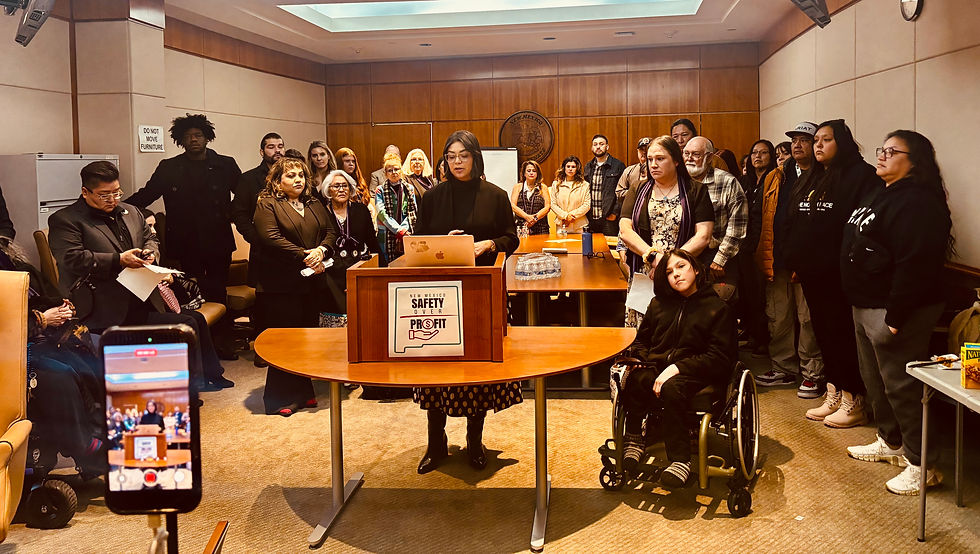
New Mexico Safety Over Profit exists to put people before profits — and to hold systems accountable when they block necessary care. If you’ve faced a denial, or if you’re a clinician fighting one, we want to hear your story.
Tell us what happened and get connected to resources: nmsop.org/takeaction



Comments